
How AI Is Making Virtual Reality Events More Personal in 2026
AI and virtual reality are coming together to create more responsive, interactive and personalised event experiences for brands, venues and audiences in 2026.
How AI Is Making Virtual Reality Events More Personal in 2026
Virtual reality events have always had the ability to make people feel as though they have stepped into another place. A headset can transport a guest into a game, a digital showroom, a virtual concert venue or a branded environment that would be difficult to build in the physical world. In 2026, the most important change is not simply better graphics or lighter hardware. It is the growing role of artificial intelligence in making those experiences more responsive to the people using them.
For event organisers and brands, this opens up a more practical version of immersive technology. Instead of every guest following exactly the same scripted experience, AI can help shape content around the visitor’s choices, pace and interests. A product demonstration can focus on the features someone wants to explore. A virtual guide can answer questions naturally. A game can adjust its challenge level. A training simulation can provide more support when a participant needs it.
This shift is helping virtual reality move beyond the idea of a one-off novelty. It is becoming a more useful way to communicate, teach, entertain and create memorable brand interactions. For businesses in Durban, where events, tourism, hospitality, retail and corporate activations all compete for attention, personalised immersive experiences can create a stronger reason for people to stop, participate and remember the message.
Why Personalisation Matters in Virtual Reality
Most digital experiences are still designed for a broad audience. A website, video or presentation may be well produced, but every person sees the same content in the same order. Virtual reality already changes that by giving people more control over where they look, what they explore and how they move through an environment. AI adds another layer by helping the experience react to those decisions.
A visitor who spends time examining a virtual vehicle, for example, may want more detail about performance, safety features or interior design. Someone taking part in a tourism experience may be more interested in food, accommodation, beaches or family activities. Rather than forcing every user through a fixed sequence, an AI-supported experience can present relevant information at the right moment.
The goal is not to make every interaction feel overly complicated. Good personalisation should make an experience feel easier and more natural. It should reduce unnecessary steps, guide people when they need help and allow them to discover content without feeling like they are working through a technical demonstration.
From Scripted Demos to Responsive Experiences
Traditional VR activations often follow a carefully planned path. A guest puts on the headset, watches an introduction, completes an activity and exits after a few minutes. This format can still work well, especially when there is a large queue at an event, but it can feel limited when the same experience is repeated for every person.
AI makes it possible to create more flexible journeys. A virtual host can respond to basic spoken questions, suggest the next area to explore or adapt the tone of the experience for different audiences. A guest may choose a quick introduction while another visitor spends longer interacting with products, environments or challenges. The experience remains controlled enough for an event setting, but it feels less repetitive and more relevant.
For brands, this also creates a better opportunity to understand what captures attention. If visitors consistently choose certain product features, destinations or activities, those choices can help inform future campaign planning. The focus should remain on privacy and clear consent, but meaningful interaction data can be more useful than simply counting how many people watched a screen.
AI Can Make Virtual Guides Feel More Useful
Virtual guides are becoming more valuable as AI improves natural language interaction. Instead of selecting from a limited set of menu options, users can ask straightforward questions and receive answers that match the environment around them. In a virtual property tour, a guide could explain the layout of a room. In a tourism experience, it could point out attractions and activities. In a training simulation, it could clarify the next step without interrupting the session.
The strongest virtual guides do not need to pretend to be human. They simply need to be clear, helpful and easy to understand. A well-designed guide can make a VR experience feel more welcoming for first-time users, especially at public events where guests may be unfamiliar with headsets and controllers.
AI-Powered VR for Brand Activations
Brand activations are one of the most natural places for AI-powered VR to grow. Physical events already create energy through people, music, displays and live interaction. Virtual reality adds an immersive layer that can make a stand, retail space or temporary venue feel much larger than its physical footprint.
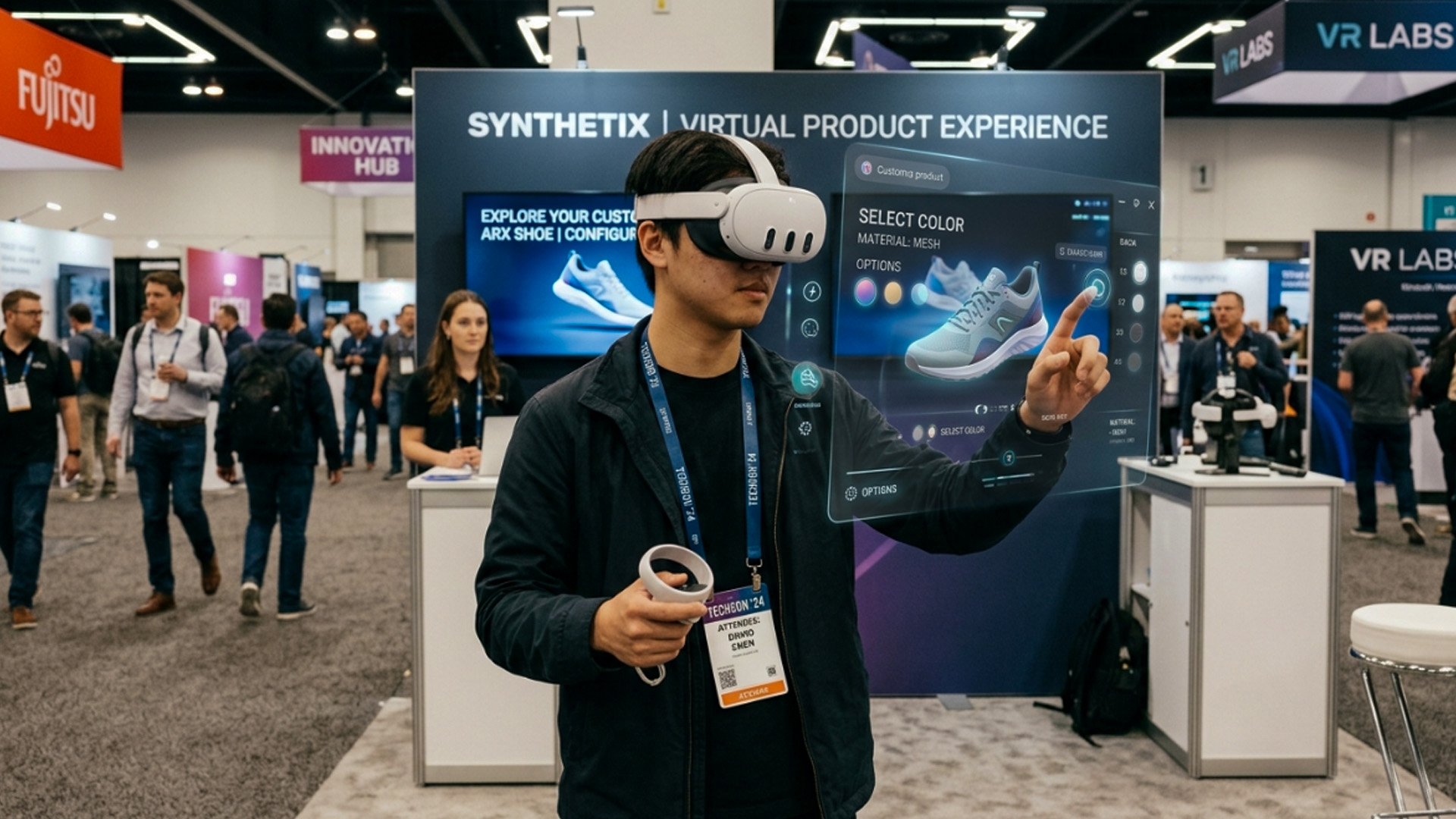
When AI is added carefully, it can make the activation more engaging without making it feel complicated. A visitor could enter a virtual world that responds to the choices they make, unlock different content based on their interests or receive a personalised route through the experience. This is especially useful when a brand has several products, services or stories to communicate to different audiences.
A vehicle launch, for example, could allow one guest to explore performance and design while another focuses on family space, safety or technology. A tourism activation could guide one visitor toward adventure activities and another toward accommodation, restaurants or cultural experiences. The virtual environment remains part of one cohesive campaign, but the interaction feels more personal.
Creating Better Conversations at Events
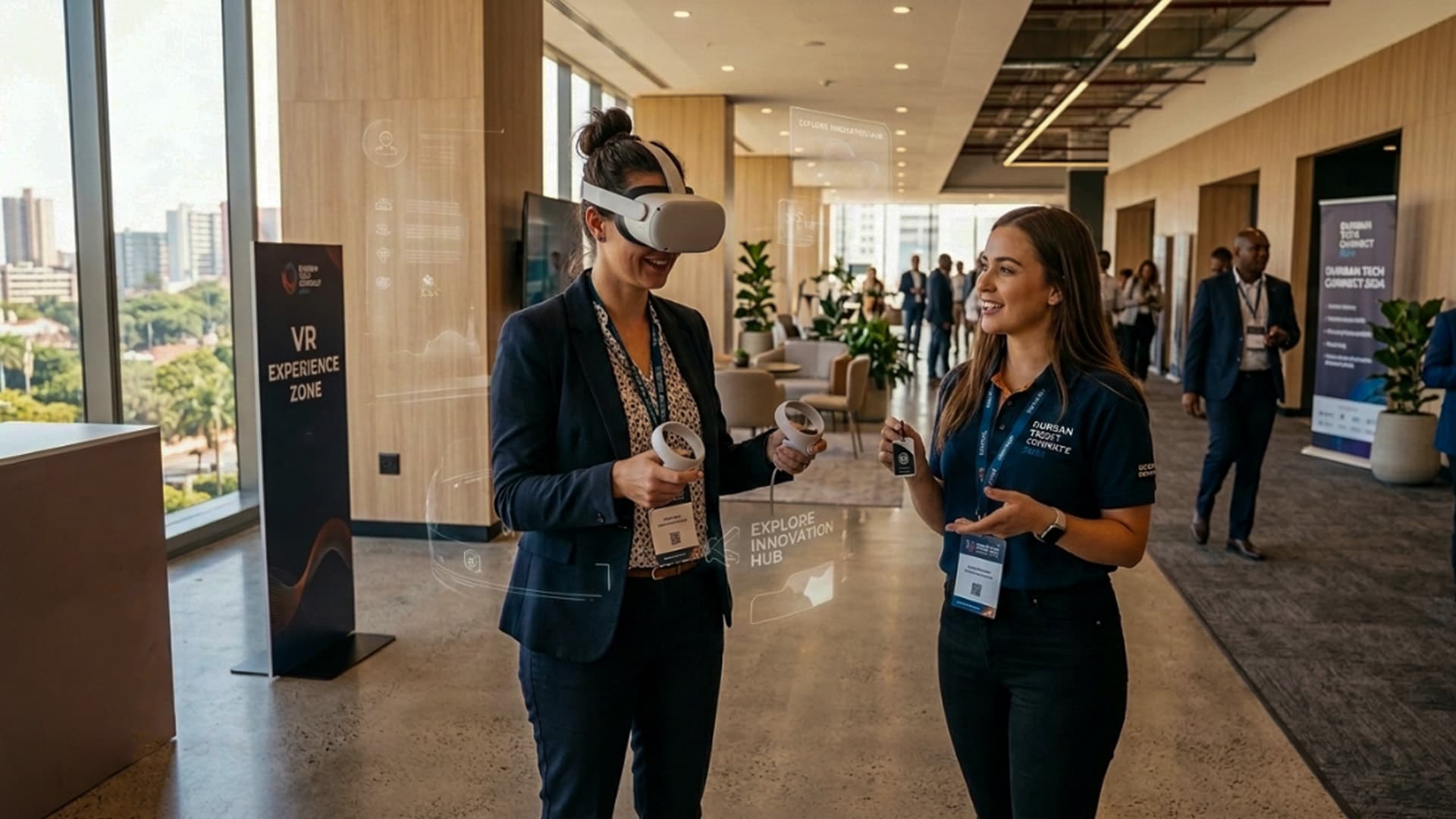
A good VR activation should not end the moment a person removes the headset. The experience should create a reason for conversation between the guest, event staff and other visitors. AI can support this by helping the activation produce a clear outcome, such as a personalised product configuration, a recommended travel route, a completed challenge or a short recap of what the guest explored.
That outcome gives event teams something useful to discuss. Rather than asking a general question about whether the visitor enjoyed the experience, staff can continue the conversation around the content that interested them most. This makes the technology more connected to the broader event strategy instead of becoming an isolated attraction in the corner of a venue.
For busy public events, the design still needs to be simple. Clear instructions, short onboarding and reliable headset management remain essential. AI should make the experience smoother, not create extra friction or require visitors to learn complicated controls.
Personalised Storytelling Builds Stronger Recall
People are more likely to remember an experience when they have actively shaped part of it. In virtual reality, that can mean choosing where to go, which product to inspect, which challenge to complete or which story path to follow. AI can make these choices feel connected rather than random by adjusting the environment and information around the user.
For a brand, this creates a more meaningful form of storytelling. Instead of presenting a single message to everyone, the campaign can invite people to explore the parts of the story that matter to them. The result can still be visually impressive, but it also has a clearer purpose: helping visitors connect the experience to their own interests or needs.
Virtual Reality Training That Adapts to the Learner
Training is another area where AI and VR work particularly well together. Many organisations need staff to learn processes that are difficult to explain through documents, classroom sessions or short videos. This is especially true when training involves physical movement, technical equipment, safety procedures or customer interaction.
Virtual reality allows people to practise in a controlled environment. They can repeat a scenario, make mistakes without real-world consequences and become more comfortable before applying the skill in a live setting. AI can improve this by adapting the level of guidance based on how the person performs.
A beginner may need clear prompts, visual highlights and step-by-step support. A more experienced learner may need fewer prompts and more realistic challenges. This makes the training feel less like a fixed test and more like a guided learning experience that responds to the individual.
Feedback at the Right Moment
One of the challenges with traditional training is timing. Feedback often arrives after a task has been completed, when the learner may not remember exactly why a mistake happened. In a VR simulation, AI-assisted systems can provide feedback during the activity itself, showing where attention is needed without completely stopping the experience.
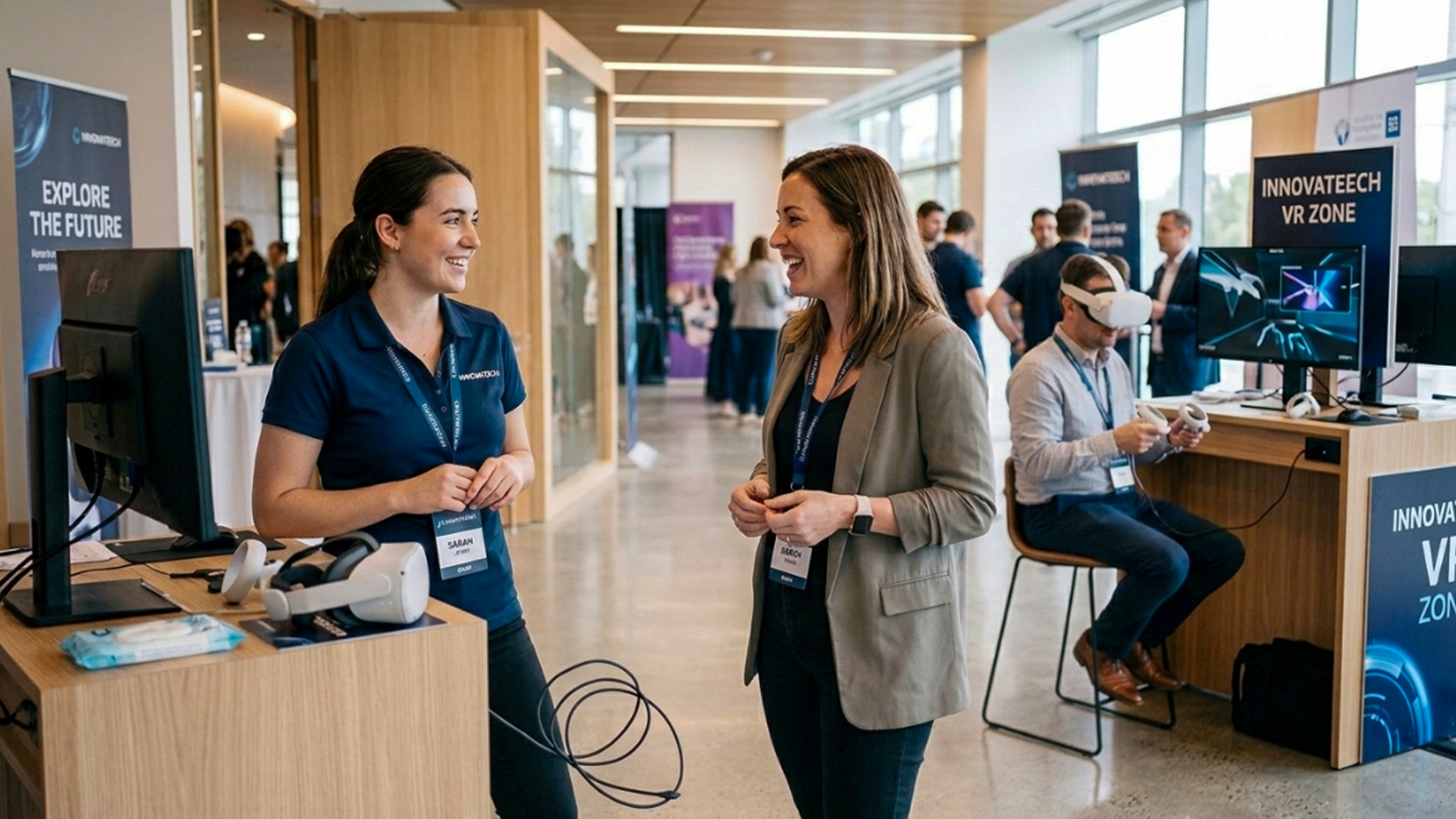
A trainee working through a safety process could be alerted when they skip an important check. A retail employee could practise a customer interaction and receive guidance on how to respond to different questions. A technical learner could be shown the correct component or tool within a simulated workspace.
The purpose is not to replace trainers or subject experts. It is to give learners more opportunities to practise independently while allowing trainers to focus on higher-level coaching, assessment and real-world application.
More Engaging Learning for Teams
People generally learn better when they are actively involved. VR creates that involvement by placing learners inside a scenario instead of asking them to imagine it from a slide or manual. AI can help keep the experience relevant by changing conditions, introducing realistic questions or adjusting the difficulty as the learner progresses.
For companies running training across multiple teams or locations, this can also improve consistency. Everyone can work through the same core standards while still receiving guidance that matches their individual progress. The experience can be repeated when needed, making it useful for onboarding, refresher training and skills development.
Designing AI and VR Experiences for Real People
The technology behind AI-powered VR is developing quickly, but successful experiences still depend on basic human-centred design. People should understand what they are being asked to do, feel comfortable using the equipment and be able to enjoy the experience without technical frustration.
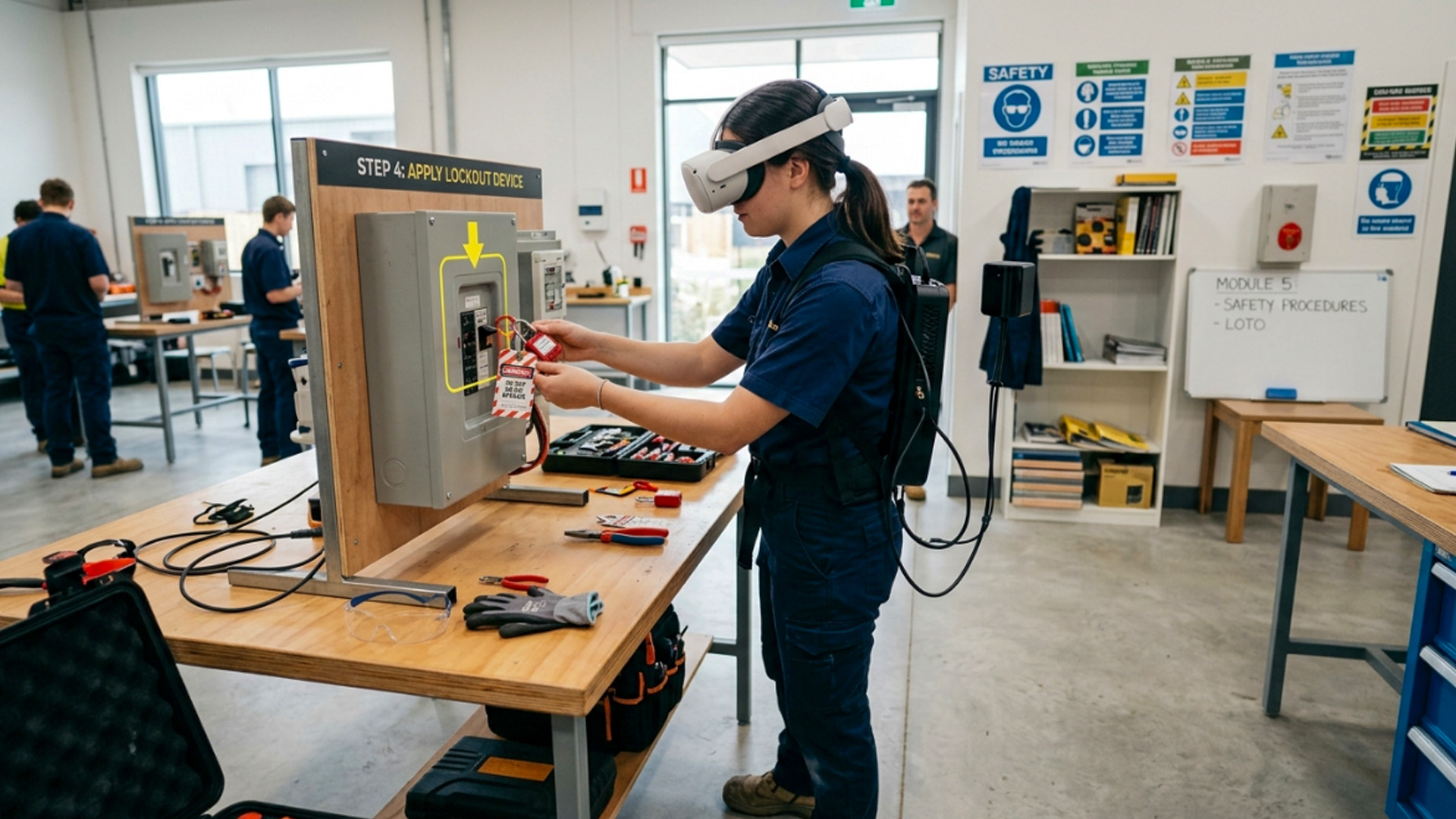
For event activations, this means planning the full guest journey. The headset experience is only one part of it. There should be a clear invitation to participate, simple guidance before the headset is worn, staff support where needed and an easy transition back into the physical event once the experience ends.
For training and business use, the experience needs to match a genuine objective. A visually impressive environment is not enough if it does not help people learn, communicate or make a decision more effectively. The best projects start with the real problem and then choose the technology that supports it.
Accessibility and Comfort Must Be Part of the Plan
Not every visitor will be familiar with VR, and not every person will want to use a headset for the same amount of time. Experiences should be designed with comfort in mind, including short sessions where appropriate, seated options, clear movement boundaries and alternatives for people who cannot or do not want to participate in the same way.
This is particularly important at public events. A successful activation should feel welcoming rather than intimidating. Staff should be able to explain the experience in plain language, assist first-time users and make sure guests know what to expect before they put on the headset.
When comfort and accessibility are considered from the beginning, immersive technology can reach a much broader audience. That is important for brands that want participation from families, corporate guests, tourists and the general public rather than only experienced gamers or technology enthusiasts.
Privacy Should Be Clear and Respectful
AI-supported experiences can use interaction data to improve content, but visitors should always understand what information is being collected and why. Clear consent, minimal data collection and responsible handling of information are essential, especially when an experience includes voice interaction, personal preferences or event registration details.
Trust is part of the user experience. When people feel that an activation is transparent and respectful, they are more likely to participate confidently. Businesses should treat privacy as part of the design process, not as an afterthought added at the end of a campaign.
What This Means for Virtual Reality in Durban
Durban has a strong environment for immersive experiences because the city brings together tourism, hospitality, retail, property, entertainment and corporate events. AI-powered VR can support each of these areas in different ways, from destination previews and interactive hotel experiences to product demonstrations, training simulations and event activations.
The opportunity is not limited to building the biggest or most complex virtual world. Often, the most effective project is a focused experience with a clear purpose. A short interactive journey at an event can create strong engagement. A virtual guide can make a property or tourism experience easier to explore. A training simulation can help staff build confidence before working in a real environment.
As spatial computing and AI become more practical, virtual reality is becoming less about showing people something futuristic and more about giving them a better way to interact with information, products and stories. The brands that benefit most will be those that use the technology to make real experiences clearer, more engaging and more memorable.
Author: Elisha Roodt
Durban's leading intelligence hub on immersive technology. Delivering comprehensive coverage, expert analysis, and breakthrough news on Virtual Reality (VR), Augmented Reality (AR), and the Metaverse.